A Brief Look Into Fan Psychology
When a fan says "we won" after a game they didn’t play in, they are not speaking carelessly. They are revealing how deeply a team has been woven into their sense of self. Victories feel like personal confirmation; defeats press on something tender and old. The result does not just change a league table. It touches identity.
On match days, that identity becomes an active project. Hours before kick-off, some supporters pull on old jerseys, arrange their lucky seats, and begin predicting outcomes with friends. On the sofa or on the move, they check line-ups, scan injury reports, and slip through melbet login on their phones to see how odds and expert forecasts line up with what their own gut has already decided. The point is to feel that their belief is justified by both numbers and by heart.
Loyalty as a Piece of the Self
Psychologists talk about social identity: the part of who we are that comes from the groups we belong to. For many people, a team is one of those groups. Research on sports fans has found that highly identified supporters experience wins and losses almost as if something good or bad has happened to them personally. That identification explains some familiar tendencies. After a victory, fans "bask in reflected glory", wearing team colours more proudly and saying “we” when they speak about the result. After a loss, some distance themselves, talking about how “they played terribly tonight.” Yet, for the deepest loyalists, staying through failure is a badge of honour, proof that their support is not just convenience.
Emotional Investment and Memory
Every lifelong fan can point to a handful of moments that hooked them: a dramatic comeback, a shock upset, a night when an underdog outplayed a giant. Psychologists know that intense emotions help carve memories deeply into the brain. When a young supporter experiences that first surge of joy or heartbreak around a team, it leaves a trace. That is why a routine mid-season win cannot match the glow of a single decisive game years ago. The old match becomes a reference point. New seasons are measured against it, and the belief that this year might finally deliver something similar keeps fans returning even when the odds are poor.
How Crowds Shape Behaviour
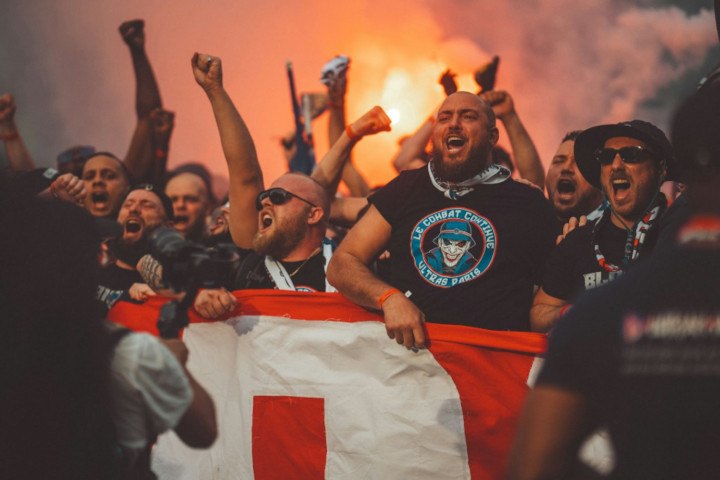
No fan stands entirely alone. Stadiums and bars create a temporary community in which rules loosen. Surrounded by thousands of people in the same colours, individuals shout things they would never say at work, sing with strangers, and sometimes cross lines they regret later. Psychologists call this deindividuation – a sense of merging into the group that makes personal inhibitions fade.
That loss of self can be dangerous when it spills into violence or abuse. Yet it can also create a feeling of belonging that’s hard to find elsewhere. Shared chants and rituals, from Liverpool supporters singing "You’ll Never Walk Alone" to college crowds performing choreographed traditions, reassure fans that they are part of something larger and more enduring than themselves.
Expectations, Bias, and a New Arena for Emotion
Modern fans do more than watch. They predict. Studies of decision‑making in sport and gambling show that people overweight recent results, remember wins more clearly than losses, and are prone to see patterns in what may be ordinary randomness. That’s why a devoted supporter may be convinced that their team is "due" a win after a run of defeats, or that a rival is bound to stumble soon. The expectation grows not only from statistics but from a need to protect identity. If my team partly mirrors who I am, then I want the future to justify that attachment.
Digital platforms have created parallel arenas where fans test their nerve. On a quiet weekday night, someone who spent the weekend living and dying with a derby may open a gaming or casino app, drawn by the familiar tension of risk and reward. In chat groups, supporters argue about tactics from the latest Champions League match and compare streaks in crash‑style titles, talking about how long they dared stay in before cashing out. A user who has sat through extra time and penalty shoot-outs knows that feeling in their body already. Even an aviator game on a small display can echo the heartbeat of waiting for a last attack in stoppage time, or for the final kick in a shoot‑out. The stakes may be smaller, but the nervous system doesn’t always distinguish sharply between them.
Why Belief Endures
From the outside, such intense attachment can look irrational. Teams change ownership, players move on, and seasons end in familiar disappointment. Yet for many fans, belief in a favourite club is less a calculation than a long story they have chosen to live inside. It gives structure to weeks, offers a shared language with friends and strangers, and provides a theatre in which emotion is not only allowed but expected. Thus, strong fandom is not a puzzle to be solved but a human pattern to be understood. People need places to put their hope, anger, joy, and fear, and sport provides a stage large enough to hold them all.